
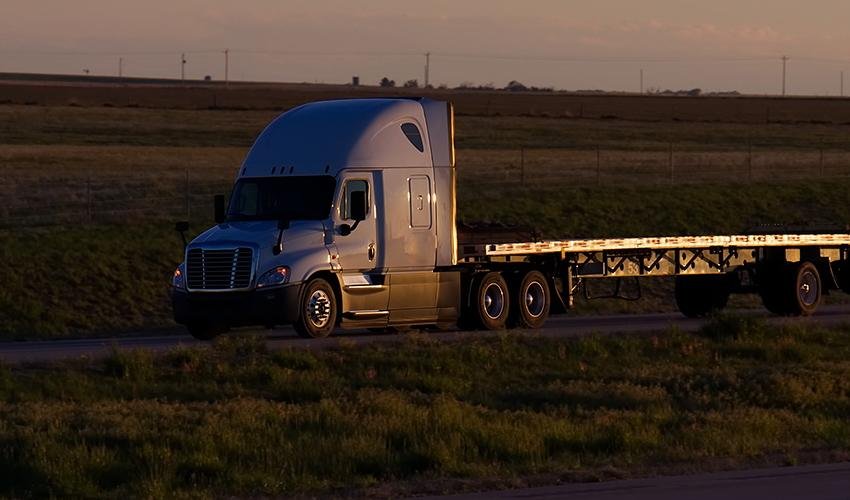
Empty miles are one of the biggest silent profit killers in independent carrier operations. Fuel, time, maintenance, and driver fatigue all increase when trucks move without revenue. While market conditions play a role, empty miles are often the result of poor coordination rather than lack of freight.
Better load coordination starts with lane awareness. Carriers who consistently operate within defined regions or corridors can plan movements instead of reacting to the market. When dispatch teams understand a carrier’s preferred lanes, equipment type, and availability, loads can be aligned in a way that reduces unnecessary repositioning.
Timing is another major factor. Deadhead often occurs when deliveries end far from the next pickup window. Coordinated dispatching helps bridge this gap by aligning delivery schedules with follow-up opportunities, even if that means staging short repositioning moves instead of long empty runs.
Equipment fit also matters. Sprinter vans, box trucks, flatbeds, and dry vans all behave differently in the market. When carriers are matched with freight suited to their equipment, reload opportunities increase naturally. Misaligned equipment leads to missed opportunities and longer empty stretches.
Communication ties everything together. When dispatch teams maintain visibility into a carrier’s status, location, and next availability, they can plan ahead instead of scrambling after delivery. This proactive approach reduces downtime and keeps equipment generating revenue.
At Connexzia, logistics coordination is designed to support carrier efficiency. The goal is not just to move freight, but to move it in a way that respects time, miles, and long-term sustainability. Reducing empty miles is not about chasing every load—it’s about aligning the right loads in the right sequence.

Leave a comment
Your email address will not be published. Required fields are marked *